Is Your Business Ready?
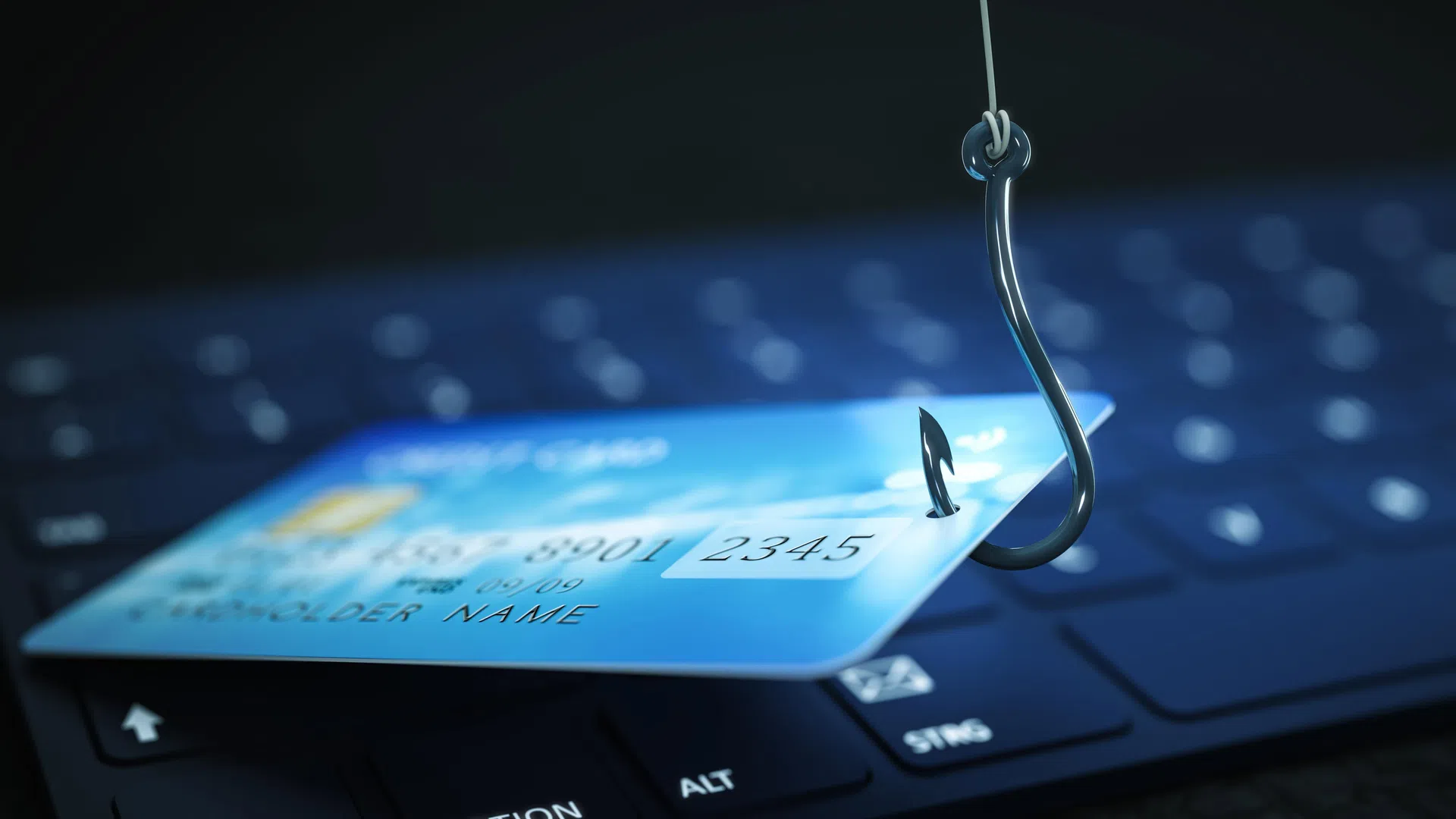
Phishing attacks cost businesses billions every year, but the damage often begins with a message that looks completely ordinary. One rushed click can lead to stolen payments, exposed data, lost productivity, and days of disruption.
The Most Dangerous Email Is the One That Looks Boring
Phishing attacks no longer arrive with obvious spelling mistakes, strange formatting, or an unbelievable story from a distant prince. They look like the messages your team handles every day.
A payment change from a familiar vendor. A Microsoft 365 notification. A document from a coworker. A call from someone claiming to be IT.
The message may use the right logo, reference a real project, or arrive at exactly the moment your employee expects it. With AI helping attackers write more convincing messages and stolen information giving them more context, the difference between a normal work request and a serious threat can be difficult to see.
For a small or midsized business, one mistake can interrupt payroll, expose client information, delay a project, or lock employees out of the systems they need to work. The attack may begin with a single click, but the consequences can spread across the entire organization.
The Real Cost of Phishing Attacks for Small Businesses
A successful phishing attack can cost far more than the initial click. The damage often spreads into finances, operations, customer relationships, and the time required to regain control and in New England, where people have long memories that reputational damage can last.
- Direct financial loss: Fake invoices, altered payment instructions, and compromised email accounts can redirect legitimate business payments. The FBI recorded more than $2.7 billion in reported business email compromise losses in 2024.
- Downtime and lost productivity: Employees may lose access to email, files, or critical applications while accounts and systems are investigated, secured, and restored.
- Emergency recovery expenses: A response may require forensic investigation, password resets, security audits, crisis management, and outside technical or legal support.
- Customer and compliance costs: Exposed information can trigger customer notifications, regulatory reporting, legal expenses, identity-protection services, and potential fines.
- Lost trust and future revenue: Even after systems are restored, a business may face damaged client confidence, lost customers, delayed projects, and reputational harm.
Would You Take the Bait?
Most people know they should be cautious around suspicious emails. The harder question is what happens when the message does not seem suspicious.
The following quiz presents seven workplace scenarios based on tactics commonly used against Massachusetts businesses. You will encounter urgent requests, payment changes, MFA prompts, QR codes, and messages that appear to come from trusted people.
Choose what you would do next and see how your instincts hold up.


A two-minute security gut check for Massachusetts businesses
Can You Spot the Phish?
Modern phishing attacks rarely arrive looking suspicious. They imitate familiar vendors, Microsoft 365 notifications, payroll requests, project updates and messages from someone working out of the Boston office.
For businesses across Greater Boston and the South Shore, one convincing message can interrupt payroll, delay a project, expose client information or bring normal operations to a halt.
What would you do next?
Your Massachusetts phishing readiness result
High vulnerabilityYour phishing instincts need attention.
Build a stronger phishing defense.
Strengthen your phishing defenses
Good Instincts Help. Strong Systems Protect the Business.
A quiz can reveal where an employee might hesitate or make the wrong call. But awareness fades unless it is refreshed, tested, and reinforced, and even a well-trained employee can be caught by a convincing message at the wrong moment.
Real protection comes from layers: ongoing security training, phishing simulations, email filtering, multifactor authentication, secure system configurations, monitored backups, and a clear response plan when something gets through.
For more than 35 years, Systems Support has helped Massachusetts businesses build that kind of resilience. We identify weaknesses, strengthen the systems surrounding your employees, and help ensure that one mistake does not become a prolonged business disruption.